

Why Does My Digestion Feel Off?
Alexandra Russell
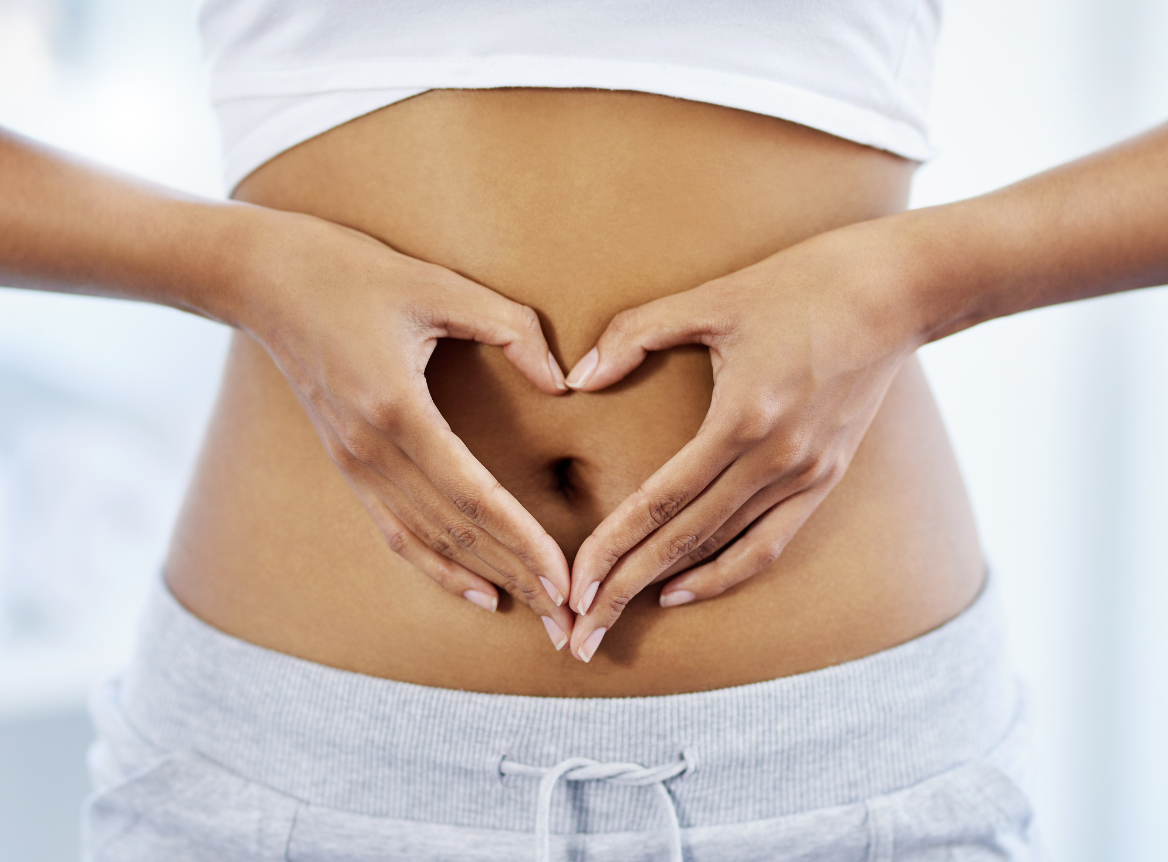
Bloating. Heaviness after meals. Gas. Feeling like certain foods just don't sit right.
“Gut health” gets blamed for almost everything these days, but digestive discomfort doesn't automatically mean your microbiome is out of balance.
Digestion is a complex process involving enzymes, stomach acid, intestinal movement, gut bacteria, and the intestinal barrier. When you're trying to figure out why certain meals leave you uncomfortable, understanding what actually happens to your food after you eat it is a much better place to start.
Digestion Starts With Breaking Food Down
Before your body can use the nutrients in food, it has to break that food into smaller components.
That's where digestive enzymes come in.
Different enzymes have different jobs:
- Proteases break proteins into smaller peptides and amino acids.
- Lipases help break down dietary fats.
- Lactase breaks down lactose, the sugar naturally found in dairy.
- Carbohydrate-digesting enzymes break down specific carbohydrates.
Your body naturally produces these enzymes, but certain foods can still be more difficult for some people to digest comfortably.
A familiar example is lactose.
People with insufficient lactase activity don't completely digest lactose in the small intestine. The undigested lactose can then reach the colon, where bacterial fermentation contributes to symptoms such as gas and bloating.
That's why lactase supplementation can help improve lactose digestion in people who have difficulty digesting lactose.
The enzyme isn't “fixing your gut.” It's helping break down a specific component of your food.
Why Certain Carbohydrates Can Leave You Feeling Bloated
Lactose isn't the only carbohydrate that can cause problems.
Foods including beans, lentils, and certain vegetables contain alpha-galactosides, carbohydrates humans don't efficiently digest because we lack sufficient alpha-galactosidase activity.
When those carbohydrates reach the colon, bacteria ferment them and produce gases.
Supplemental alpha-galactosidase helps break down these carbohydrates before they reach the colon. Human studies have demonstrated reductions in gas production and related symptoms following meals containing fermentable carbohydrates. (pubmed.ncbi.nlm.nih.gov)
So sometimes feeling bloated after a meal isn't about having “bad gut bacteria.”
It may simply be about what reached them undigested.
Protein and Fat Require Their Own Enzymes
Your body also uses different enzymes to digest protein and fat.
Proteases break peptide bonds within dietary proteins, while lipases break dietary triglycerides into components that can be absorbed.
That's why a digestive enzyme formula may contain several enzymes instead of just one.
Your Digestive Enzyme Pro Complex, for example, contains protease activity alongside bromelain and papain for protein digestion, fungal lipase for fats, fungal lactase for lactose, and alpha-galactosidase for certain complex carbohydrates.
Each enzyme has a different job.
That's very different from throwing several popular “gut health” ingredients into one formula and assuming more ingredients means better digestion.
Your Microbiome Still Matters - Just Differently
Your intestinal microorganisms become particularly important when food components reach the large intestine.
Gut microbes ferment certain carbohydrates and fibers that aren't digested earlier in the gastrointestinal tract. This produces metabolites including short-chain fatty acids, as well as gases such as hydrogen and carbon dioxide.
Some fermentation is completely normal.
But differences in what you eat, how those foods are digested, intestinal transit, and your individual gastrointestinal physiology can influence how you feel afterward.
That's why digestion and the microbiome are connected, but they're not the same thing.
Your Gut Barrier Is Different Again
There's another piece of “gut health” that gets lumped together with digestion: the intestinal barrier.
Your intestinal lining has an unusual job.
It needs to allow nutrients to cross into the body while maintaining a controlled barrier between your internal environment and the enormous number of microorganisms and other substances inside the intestinal tract.
Researchers refer to this function as intestinal barrier integrity.
And importantly, supporting intestinal integrity isn't the same biological process as helping digest your lunch.
This distinction is relevant to ingredients such as bovine colostrum, which has been studied in humans for its effects on intestinal permeability. A meta-analysis of randomized clinical trials found significant effects on measures of intestinal permeability, although the researchers also concluded that additional trials are needed. (pubmed.ncbi.nlm.nih.gov)
So:
Digestive enzymes → help break down food.
Gut microbes → interact with what reaches the intestinal ecosystem.
Gut-barrier support → focuses on intestinal integrity.
They're related.
But they're not interchangeable.
So Why Do You Feel Uncomfortable After Eating?
There isn't one answer.
The composition and size of your meal, lactose digestion, fermentable carbohydrates, intestinal motility, individual food tolerance, and numerous other factors can influence how you feel after eating.
That's why “take something for gut health” isn't particularly useful advice.
Instead, pay attention to patterns.
Does dairy bother you?
Do certain carbohydrate-rich foods leave you gassy?
Do large or high-fat meals consistently feel heavy?
Is the problem occasional, or is it persistent?
Understanding the pattern can help you understand what kind of support actually makes sense.
Persistent or significant digestive symptoms should also be discussed with a healthcare professional rather than continually self-treating them with supplements.
Stop Treating “Gut Health” Like One Problem
Your digestive system isn't one process, so digestive support shouldn't be treated as one category of interchangeable products.
A probiotic isn't a digestive enzyme.
A digestive enzyme isn't colostrum.
And none of them automatically fixes every reason someone might experience digestive discomfort.
Understand the problem first. Then look at what the science says can actually address it.


Share and get 15% off!
Simply share this product on one of the following social networks and you will unlock 15% off!